The Art and Science of Professional Packing: Why it Makes or Breaks a Move

In the logistics industry, there is a common saying: “A shipment is only as strong as its weakest box.” While many people view packing as a simple chore of placing items into containers, professional-grade packing is actually a complex task that requires a deep understanding of physics, material science, and spatial reasoning. Packing Service Inc. has spent decades perfecting this craft, demonstrating that professional packing is the single most important factor in preventing damage during transit.

The Problem with “DIY” Packing

The primary reason for damage during shipping or moving is not the driver of the truck, but rather the empty space inside the box. When items are packed by amateurs, they often shift during transit. This movement creates kinetic energy; a three-pound glass vase can hit the side of a box with significantly more force if it has room to slide.

Professional packers eliminate this “internal movement” by using a combination of techniques:

  • The “Double-Box” Method: For extremely fragile items, pros place a box inside a larger box, with at least two inches of cushioning material on all six sides.
  • Custom Cushioning: Not all padding is created equal. Professionals know when to use anti-static peanuts for electronics, acid-free paper for fine art, or heavy-duty corrugated wraps for furniture legs.
  • Weight Management: A common mistake is packing heavy items (like books) in large boxes. Professionals use small boxes for heavy items and large boxes for light, voluminous items (like linens), ensuring no single container exceeds a safe weight limit.

Specialized Packing for High-Value Items

Beyond standard household goods, certain items require specialized “white-glove” handling. Professional services provide solutions for categories that standard moving kits cannot handle:

  1. Electronics and IT Gear: These require non-conductive materials to prevent static discharge and specific orientations to protect internal components like hard drives or cooling systems.
  2. Glassware and Fine China: Professionals use a “cell-divider” system, ensuring that no two pieces of glass touch one another, creating a honeycomb of protection.
  3. Flat-Screen TVs and Monitors: These are particularly vulnerable to pressure. Professional packing involves specialized upright boxes with foam inserts that keep the screen from making contact with the outer walls of the container.

Efficiency and Space Optimization

Professional packing isn’t just about safety; it’s about economics. Shipping costs are often calculated by dimensional weight—a formula that considers the volume of the box as well as its weight. A professional packer can often consolidate items more effectively than an amateur, reducing the total number of boxes and potentially lowering the overall shipping costs. By maximizing the “cubic capacity” of every container, they ensure you aren’t paying to ship air.

Conclusion

The peace of mind that comes with professional packing is invaluable. When you hire experts to pack your home or business, you are essentially buying a guarantee that your belongings are prepared for the worst-case scenario on the road. From choosing the right grade of cardboard to the precise application of reinforced tape, professional packing is the foundation of a stress-free move. It transforms a chaotic pile of belongings into an organized, protected, and transportable inventory.

Posted in Uncategorized | Leave a comment

The Science of Palletizing: Engineering Stability in Logistics

In the world of high-volume shipping, the pallet is the unsung hero of the global supply chain. While individual boxes are easy to handle by hand, they are incredibly vulnerable to damage and loss when shipped solo. Palletizing—the process of consolidating multiple items into a single, cohesive unit load on a pallet—is the industry standard for ensuring that bulk shipments remain secure, organized, and easy to transport.

Specialized providers like Packing Service Inc. have refined palletizing into a precise discipline, moving beyond mere “stacking” to a system of protection that safeguards assets from the warehouse floor to their final destination.


Why Palletizing is a Logistics Necessity Palletizing transforms a collection of loose items into a “unitized” load. This shift provides three immediate advantages:


  1. Mechanical Handling Efficiency: Once items are palletized, they can be moved quickly and safely by forklifts and pallet jacks. This eliminates the need for manual “touching” of every box, which is where most human errors and workplace injuries occur.

  2. Structural Stability: By grouping boxes together, the load gains collective strength. When properly stacked, the vertical edges of boxes align to create a column of support that can withstand the downward pressure of other freight.

  3. Risk Mitigation: Shipping items “one at a time” significantly increases the risk of a single box being misplaced or crushed. A palletized load is treated as a single manifest piece, making it much harder to lose and easier to track via GPS or RFID.

The Anatomy of a Secure Pallet


A professional palletizing service doesn’t just pile items on a wooden base; it follows a rigorous engineering protocol:

  • Weight Distribution: The “Golden Rule” of palletizing is placing the heaviest, most rigid items at the bottom. This lowers the center of gravity, preventing the load from tipping during sharp turns or sudden stops.

  • Column Stacking: Unlike the “brick” pattern used in masonry, shipping boxes are often best stacked in columns (edge-to-edge). This ensures that the strongest part of the box—the corners—supports the weight of the boxes above it.

  • Shrink Wrapping and Banding: To turn independent boxes into a single unit, professionals use high-gauge stretch wrap and industrial banding. The wrap is applied with enough tension to pull the items toward the center of the pallet, while metal or plastic bands anchor heavy items directly to the pallet base.
  • Beyond the Basics: Professional Finishing


    Quality palletizing also accounts for environmental factors. Slip sheets are often placed on the bottom to protect against moisture from the warehouse floor, and edge protectors (v-boards) are used to prevent the tension of the straps from crushing the corners of the boxes. Furthermore, for international shipping, pallets must meet ISPM 15 standards, requiring heat-treated wood to prevent the cross-border spread of timber-pests.


    Conclusion


    Palletizing is more than just a convenience; it is a critical layer of insurance for any business shipping freight. By investing in professional palletizing and shrink-wrapping services, you ensure that your goods are “non-stackable” and handled only by machinery, drastically reducing the “collision” damage common in manual loading. Whether you are shipping household goods or industrial components, a well-built pallet is the foundation of a successful delivery.


    Posted in Uncategorized | Leave a comment

    The Essential Guide to Custom Crating: Protecting Your Most Valuable Assets

    When standard cardboard boxes and bubble wrap aren’t enough, professional custom crating becomes the gold standard for asset protection. Whether you are shipping industrial machinery, delicate fine art, or high-end electronics, the structural integrity of a wooden crate provides a level of security that traditional packaging simply cannot replicate.

    Companies like Packing Service Inc. specialize in these “high-stake” logistics, ensuring that items of unique size, weight, or fragility survive the rigors of long-distance transit.

    Why Custom Crating is Non-Negotiable

    Standard shipping containers are designed for uniform, mass-produced goods. However, many valuable items are irregularly shaped or top-heavy. Custom crating solves these issues through engineered solutions:

    • Structural Reinforcement: Unlike cardboard, which can collapse under pressure or humidity, wooden crates are built to withstand “stacking” in freight trucks and shipping containers.
    • Internal Blocking and Bracing: A crate is only as good as its internal layout. Professional crating involves custom-built braces that prevent the item from shifting, even if the crate is tilted or jolted.
    • Shock Absorption: For sensitive equipment, crates are often lined with specialized foam or “floated” on shock-absorbing skids to neutralize vibrations from the road or sea.

    Tailored Solutions for Different Industries

    Crating isn’t a one-size-fits-all service. Different types of cargo require specific engineering standards:

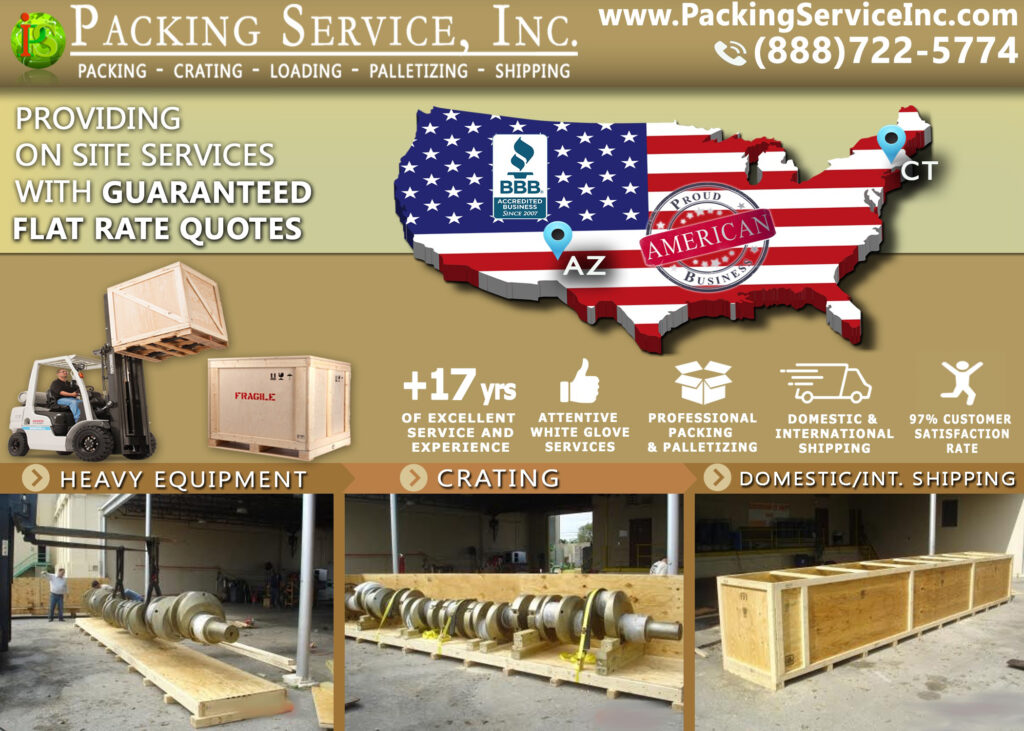
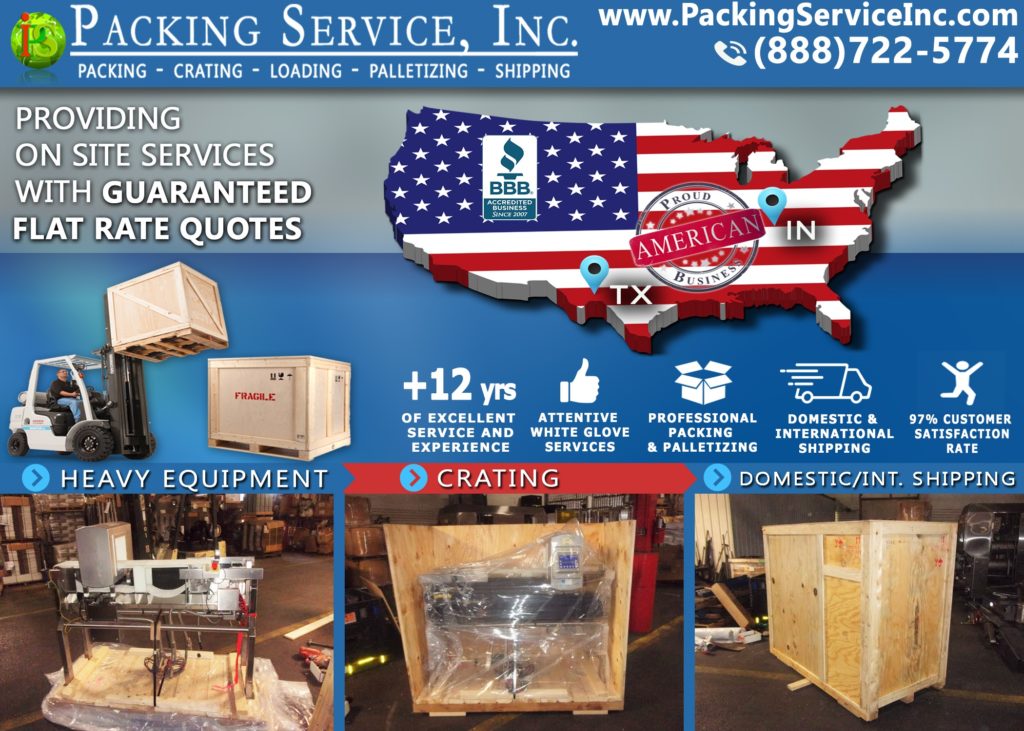
    1. Industrial Machinery: Often weighing thousands of pounds, these items require heavy-duty pallets and heat-treated lumber to support the weight and comply with international shipping laws.
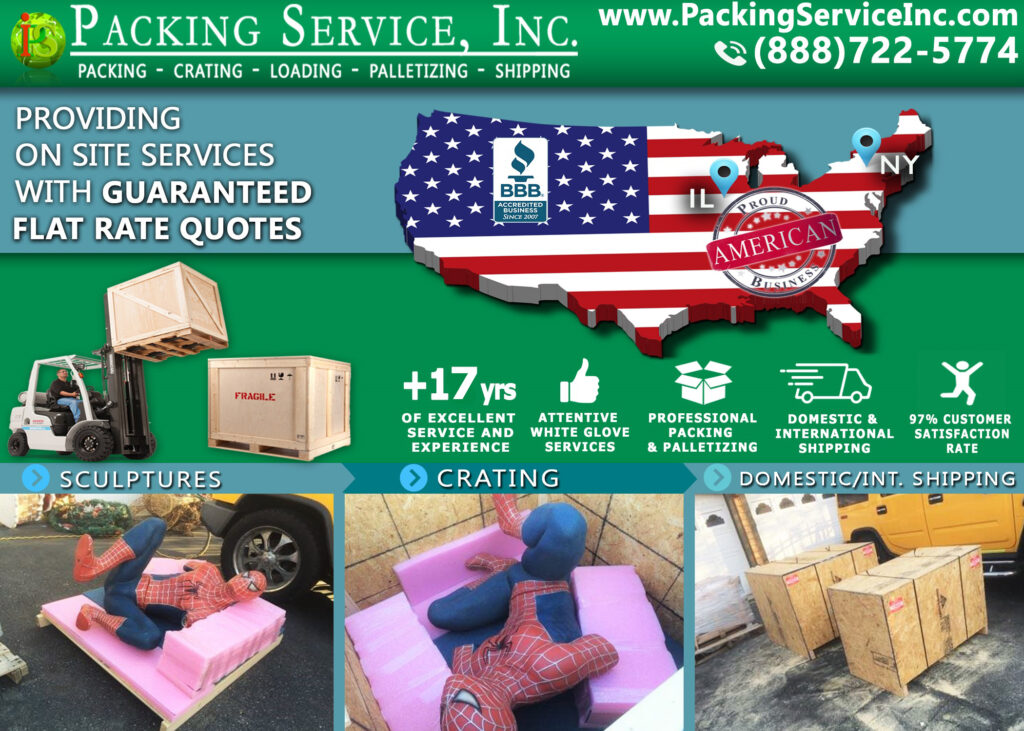
    2. Fine Art and Antiques: These require “museum-quality” crating, which often includes moisture-wicking barriers and non-abrasive interior linings to protect delicate finishes.
    3. Electronics and IT Equipment: Beyond physical impact, electronics need protection from Electrostatic Discharge (ESD). Specialized crates can incorporate anti-static materials to protect sensitive circuitry.

    Meeting International Standards (ISPM 15)

    If you are shipping goods across international borders, the crating must meet strict regulatory standards. The ISPM 15 (International Standards for Phytosanitary Measures No. 15) requires that all wood packaging materials be heat-treated or fumigated to prevent the spread of pests. Professional crating services ensure that every piece of lumber used is stamped and certified, preventing your shipment from being quarantined or rejected at customs.

    The Cost-Benefit of Professional Crating

    While the upfront cost of a custom wooden crate is higher than a standard box, it is a fraction of the cost of replacing a damaged asset. Furthermore, many insurance providers require professional crating for high-value items to honor a claim. By investing in professional crating, you are essentially purchasing an insurance policy for the physical journey of your goods.

    Conclusion

    Custom crating is the intersection of carpentry and logistics. It transforms a vulnerable object into a rugged, transportable unit capable of traveling across the globe. By focusing on on-site services, heat-treated materials, and precision engineering, professional crating providers ensure that your most valuable possessions arrive exactly as they left—undamaged and ready for use.

    Posted in Uncategorized | Leave a comment